The Underground Phenomenon of Jueteng
In the riveting backdrop of the Philippine archipelago lies a shadowy culture deeply embedded in the local communities: Jueteng. Although widely recognized as illegal, Jueteng operates almost openly in various regions of the Philippines, permeating neighborhoods with its intoxicating allure of luck and fortune. The game's resilience speaks not only to its ingrained cultural aspects but also to the socio-economic conditions of the regions it dominates.
Historical Roots of Jueteng
The origins of Jueteng trace back to the Spanish colonial era, originally brought by traders and immigrants. Historically, it morphed from a seemingly simple game of chance into a lucrative underground enterprise. Over time, Jueteng flourished within the economic and social fabric of the Filipino lifestyle, transforming from an innocuous pastime to a magnet for organized corruption and an economy within itself.
How Jueteng Works
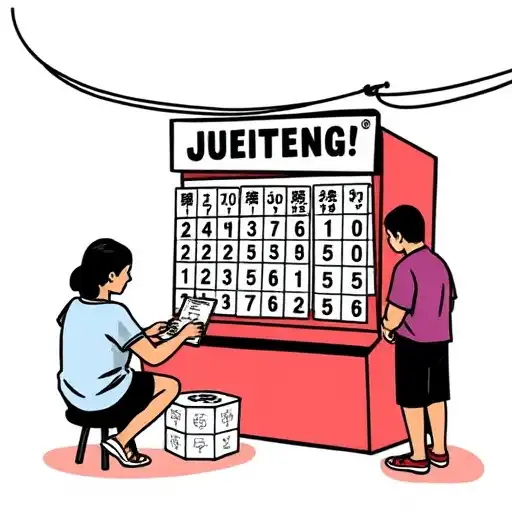
The mechanics of Jueteng are deceptively simple, which is key to its widespread popularity. Based on numbered bets, players choose a combination of numbers, usually two, from one to thirty-seven. Local bet collectors, often referred to as ‘kubradores,’ traverse neighborhoods to gather bets and relay them to centralized tally offices known as ‘bolahans.’ The winning combination is drawn twice daily, and winners receive their payout computed on a predetermined ratio, sometimes as much as one hundred to one—making it an irresistible gamble for many.
The Players and Operators
In this intricate web of betting, the roles are well defined. At the grassroots are the kubradores, who are often locals familiar with the neighborhood dynamics. This grassroots approach ensures that stakeholders at every level gain some financial benefit, fostering a cycle that sustains the operation despite its illegal status. The operators, sometimes connected to influential figures and political entities, dictate the operational mechanics, stepping in to ensure the game runs smoothly, often by appeasing or influencing local law enforcement.
Socio-Economic Factors
Jueteng's persistence is largely attributed to the socio-economic conditions prevalent in many parts of the Philippines. For many, Jueteng represents a desperate grasp at financial relief, a slim chance to escape poverty's tight grip. In regions where economic opportunities are scarce, the allure of striking it big is profoundly compelling. The gam's accessibility and low entry cost further compound this appeal.
Challenges in Eradication
Despite numerous government crackdowns, eradicating Jueteng has proven difficult. The game's entrenched nature in society, coupled with local economic dependencies, crafts a precarious equilibrium that authorities are cautious to upset. Moreover, allegations of corruption within the police and local government officials have often blunted efforts to dismantle Jueteng networks. The clandestine ties between operators and law enforcement present a formidable barrier to purging it from communities.
The Political Web
Jueteng's impact extends beyond economics and into the political arena. Often, political families gain favor and financial backing from Jueteng operations. This support can translate into unwavering influence, making Jueteng not just a game but a subtle tool in political strategizing. The game’s proceeds reportedly fund electoral campaigns, buying loyalties and securing votes, thus perpetuating a cycle that intertwines politics with illicit gambling networks.
Community Perspective
For numerous households, Jueteng is a double-edged sword. While it provides temporary financial relief and boasts a community-building appeal, it also fosters a culture of dependence on luck and quick gain rather than sustainable economic advancement. Community members find themselves trapped in this cycle, torn between the immediate gratification provided by a win and the long-term detriment to societal progress.
Future Implications
As long as the socio-economic chasm persists, so too will Jueteng thrive. The challenge lies not just in enforcing the law but also in providing viable economic alternatives that wean communities off their dependency on such illicit means. Holistic community development programs that address education, economic empowerment, and governance reforms offer a way forward.
The Broader Narrative
Jueteng’s narrative is not one of a mere illegal game; it encapsulates the complexity of socio-political structures in regions where governance and economic disparity give room for such phenomena to burgeon. It is, at its core, a reflection of deeper societal challenges that require comprehensive, multifaceted solutions beyond mere prohibition.
Understanding the intricate layers of Jueteng provides insight not only into the game itself but also into the broader cultural and economic dynamics at play in the Philippines. In the push towards modernization and reform, addressing the root causes that fuel Jueteng will be crucial in shaping a society where reliance on such networks is no longer deemed necessary.